Are Wooden Toys Better for Toddlers? (An Honest Parent Guide)
When you’re choosing toys for your toddler, it can feel overwhelming. From bright plastic gadgets to beautifully simple wooden toys, there’s no shortage of options—but which ones are actually better?
If you’ve been wondering whether wooden toys are worth it, you’re not alone. Many parents are now leaning towards more natural, minimalist options—but is it just a trend, or is there real value behind it?
In this guide, we’ll break down the pros and cons of wooden toys so you can decide what’s best for your child.

Why are wooden toys so popular?
Wooden toys have seen a big resurgence in recent years, and it’s not by accident.
A lot of this comes from the rise of Montessori-style play, parents wanting less overstimulation, and a shift towards more sustainable and non-toxic products.
Unlike many modern toys, wooden toys tend to be simpler—which is exactly what makes them so powerful for development.
The benefits of wooden toys
-
They encourage imagination
Wooden toys don’t flash, beep, or “do the playing” for your child. That means toddlers are more likely to use their imagination, create their own games, and engage in open-ended play.
This kind of play is incredibly important for creativity and problem-solving.

-
They’re built to last
One of the biggest advantages of wooden toys is durability.
They don’t break easily, can be passed down between siblings, and often look just as good years later. In the long run, they can actually be better value than cheaper plastic toys.
-
Often made with safer, non-toxic materials
Many wooden toys are made with natural materials, water-based paints, and fewer harsh chemicals.
Of course, quality matters—not all wooden toys are equal—but well-made ones are a great option for parents looking to reduce exposure to plastics.
-
Better for the environment
Wooden toys are generally more sustainable, longer-lasting, and often made from responsibly sourced materials.
If you’re trying to make more eco-conscious choices, they’re a great place to start.

Are there any downsides?
To keep things honest, there are a few.
Wooden toys can be more expensive upfront, and they may not grab attention instantly like electronic toys. Also, not all wooden toys are high quality—cheaper ones can still use poor paints or finishes.
That said, many parents find the benefits outweigh these downsides.
Wooden vs plastic toys: what’s the difference?
Wooden toys tend to be more durable, encourage imagination, and last longer. Plastic toys often provide more sensory stimulation and instant engagement but can be less durable and less environmentally friendly.
Both types have their place, but they support play in very different ways.
So… are wooden toys better for toddlers?
The honest answer is that they can be—especially for encouraging slower, more meaningful play.
Wooden toys tend to support development without overwhelming your child, encourage creativity and independence, and last much longer.
That doesn’t mean you need to avoid plastic toys completely, but having a core set of well-chosen wooden toys can make a big difference in how your toddler plays.
Our favourite wooden toys for toddlers

If you’re thinking about adding a few wooden toys to your child’s collection, it’s best to start simple.
Look for toys that support open-ended play, help develop motor skills, and can grow with your child.
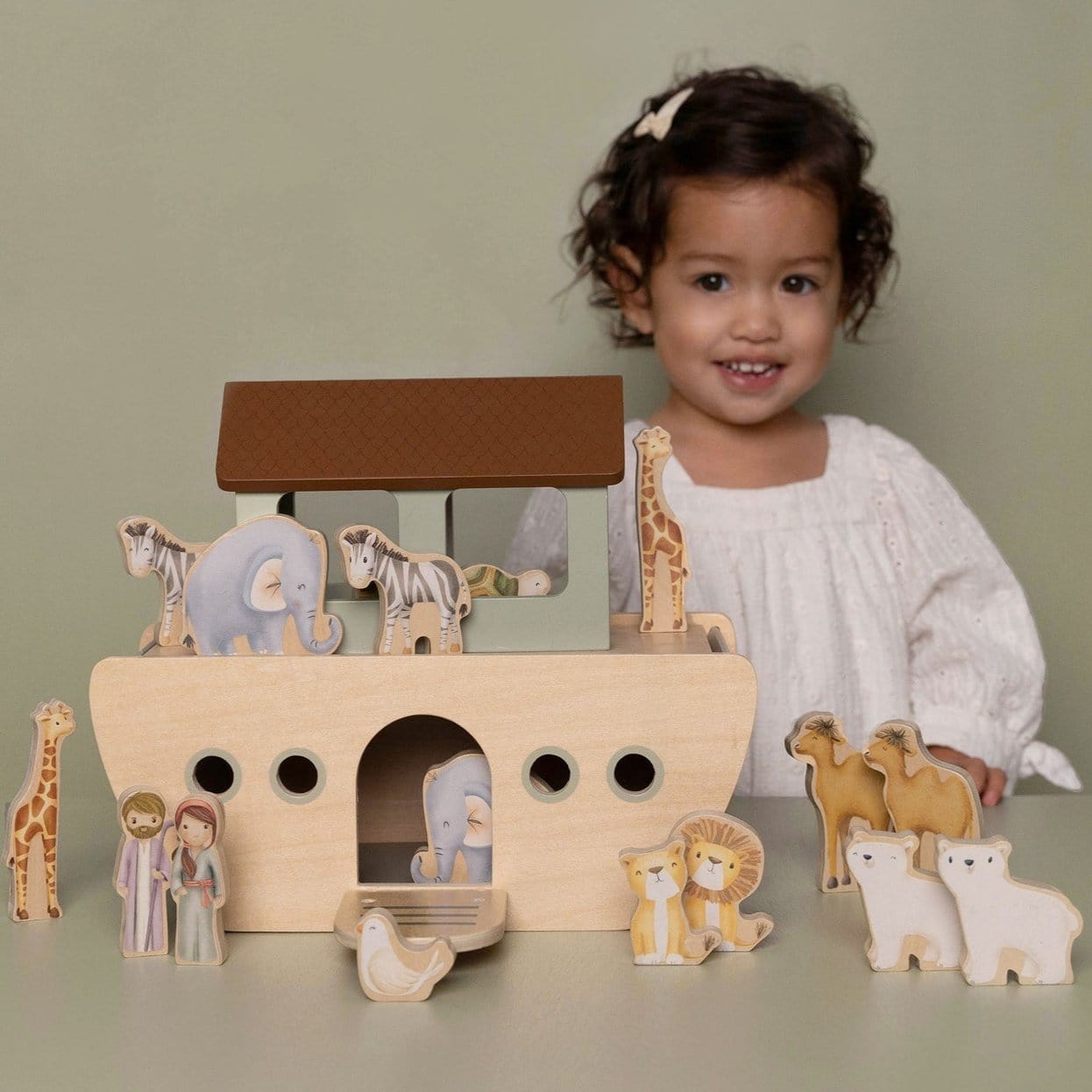
You can explore our full collection of carefully chosen wooden toys here.
We focus on toys that are not only beautiful, but genuinely useful for development and everyday play.