






























Choosing Montessori Toys by Age
Montessori is an approach to learning developed by Dr Maria Montessori, built around children teaching themselves through hands-on activity. There is no official Montessori label for toys, so we look for a few things: natural materials like wood, one clear skill per toy, a built-in way to see if it worked (a shape that only fits one hole), and real-life skills.
The wider evidence for the Montessori approach comes from Dr Angeline Lillard's research at the University of Virginia. Her 2006 study in Science and her 2017 long-term study of Montessori preschools found Montessori children did better on several academic and social measures.
Two studies back up the toy ideas. In a 2018 University of Toledo study (Dauch and colleagues, Infant Behavior and Development), toddlers with 4 toys played with each one for longer, and in more ways, than toddlers with 16. In a 2018 University of Virginia study (Taggart, Heise and Lillard, Developmental Science), most preschoolers chose real activities over pretend versions of the same thing.
What to look for by age
Montessori toys for babies (0 to 12 months)
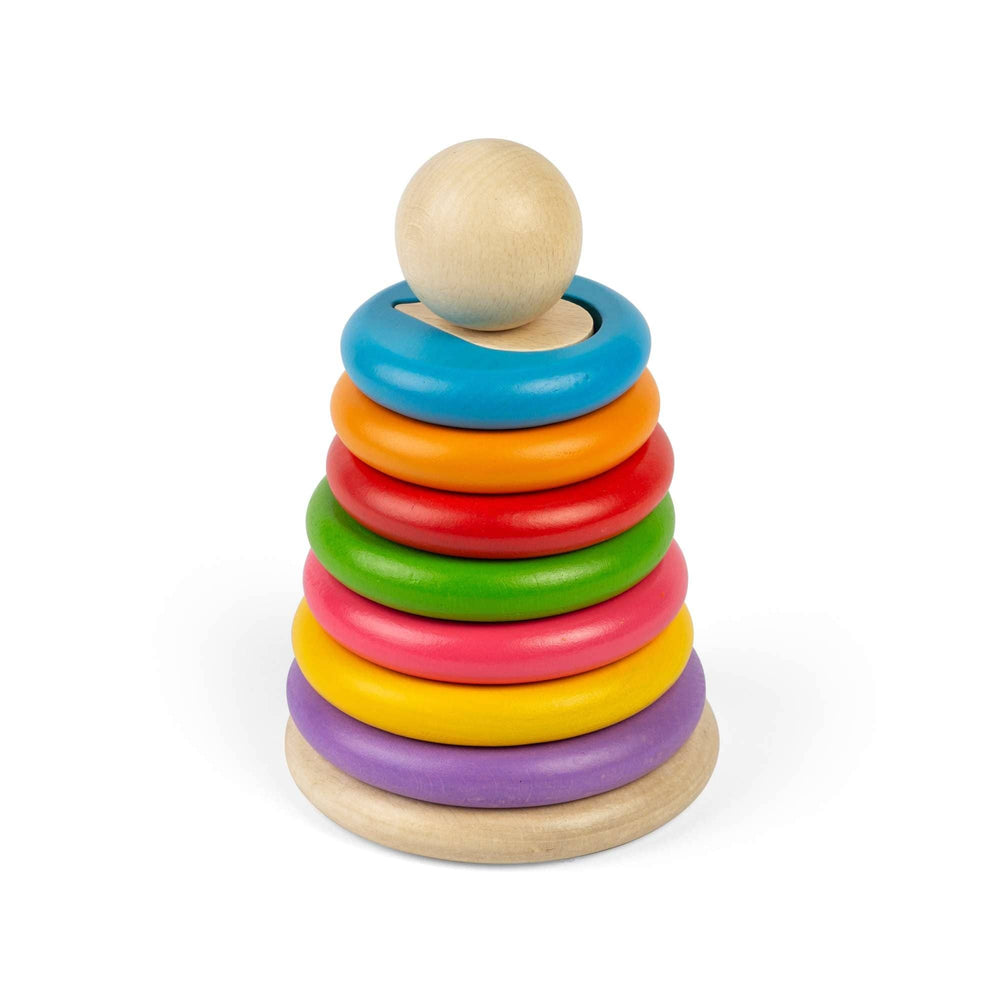
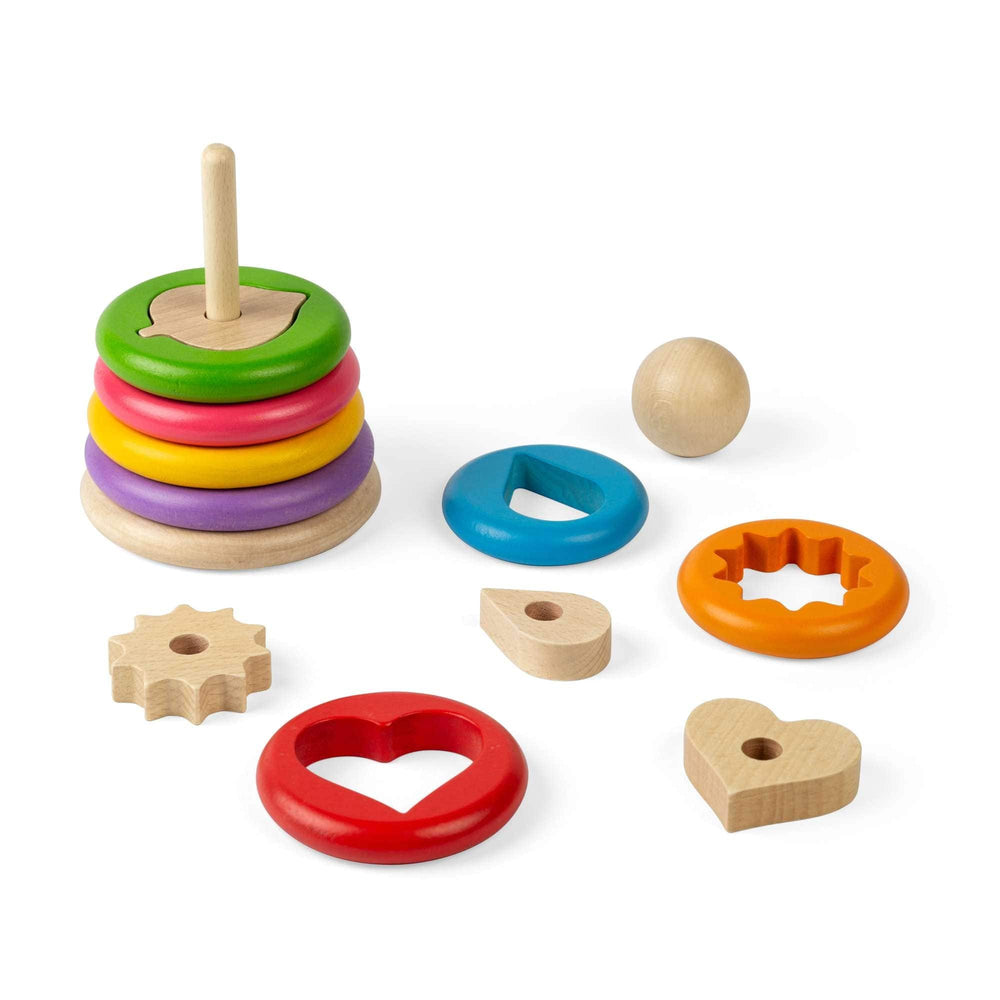
Rattles, soft grasping toys and simple sensory toys, then a first stacker such as the Bigjigs First Flower Stacker.
Montessori toys for 1 year olds
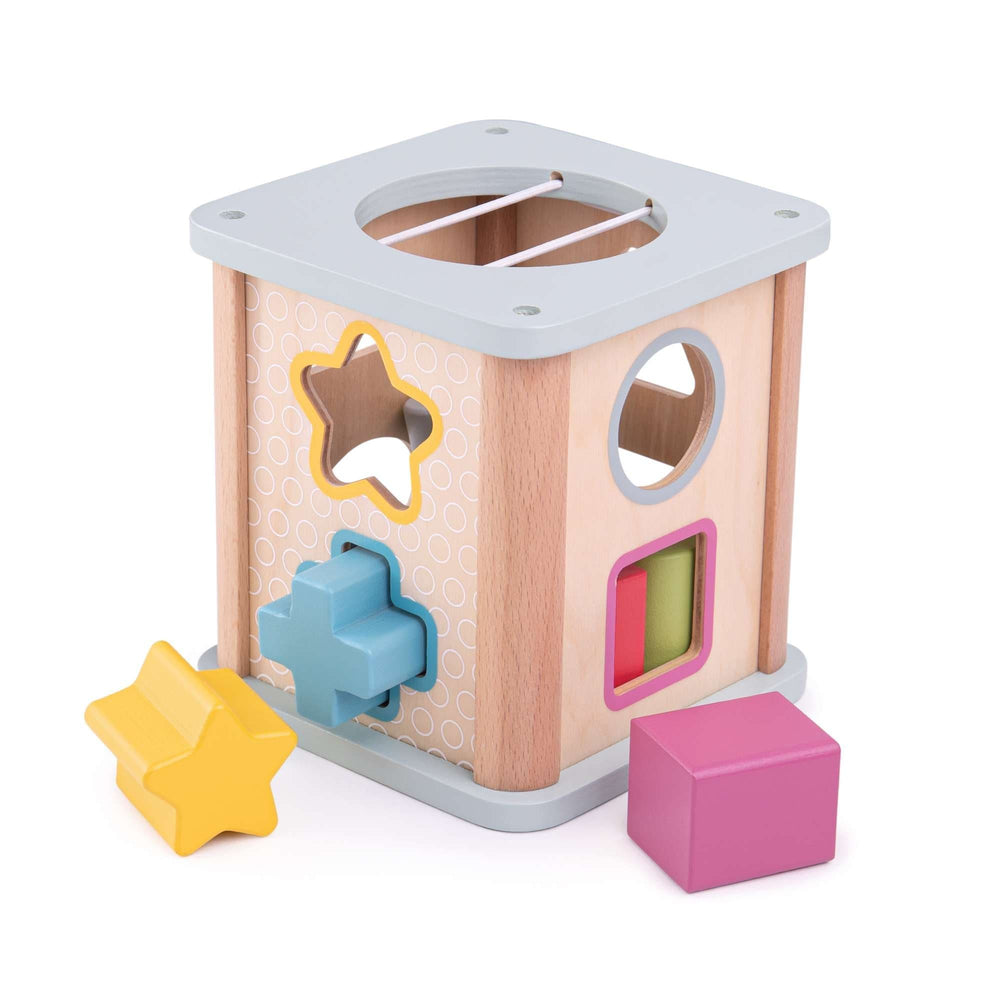
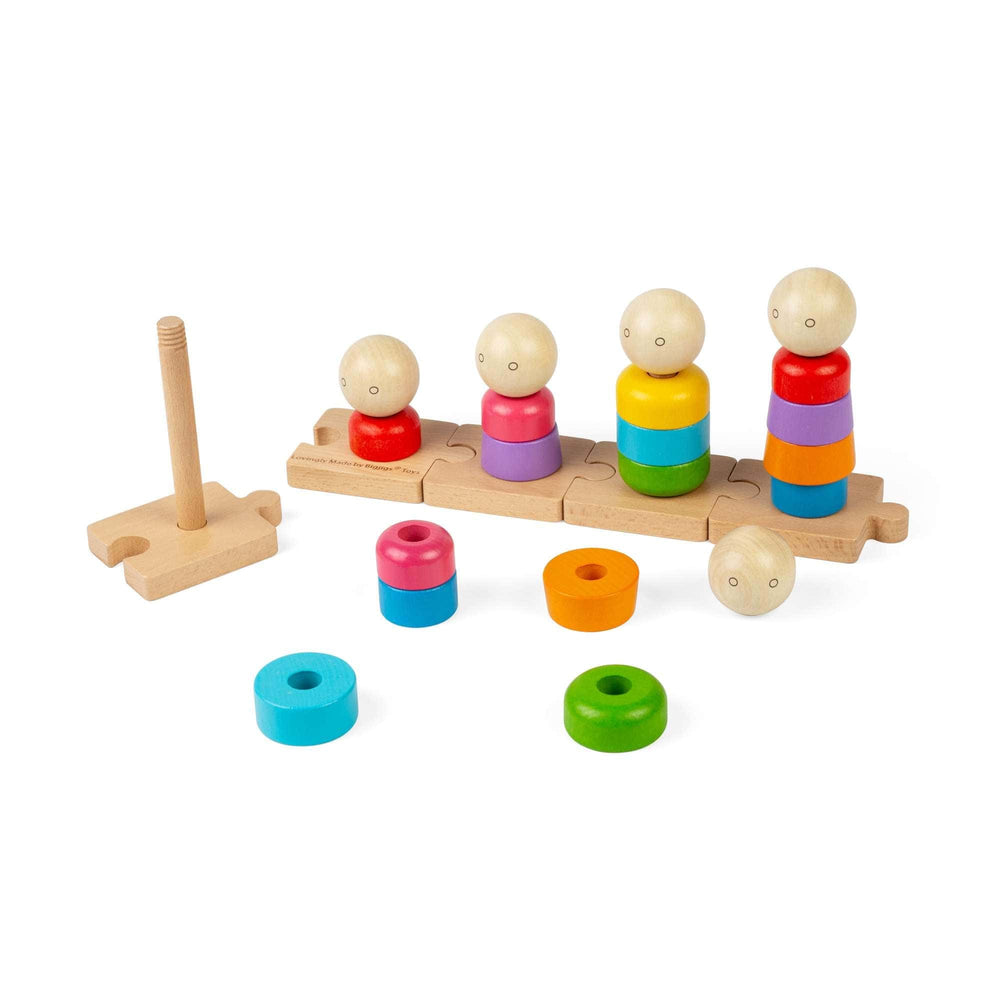
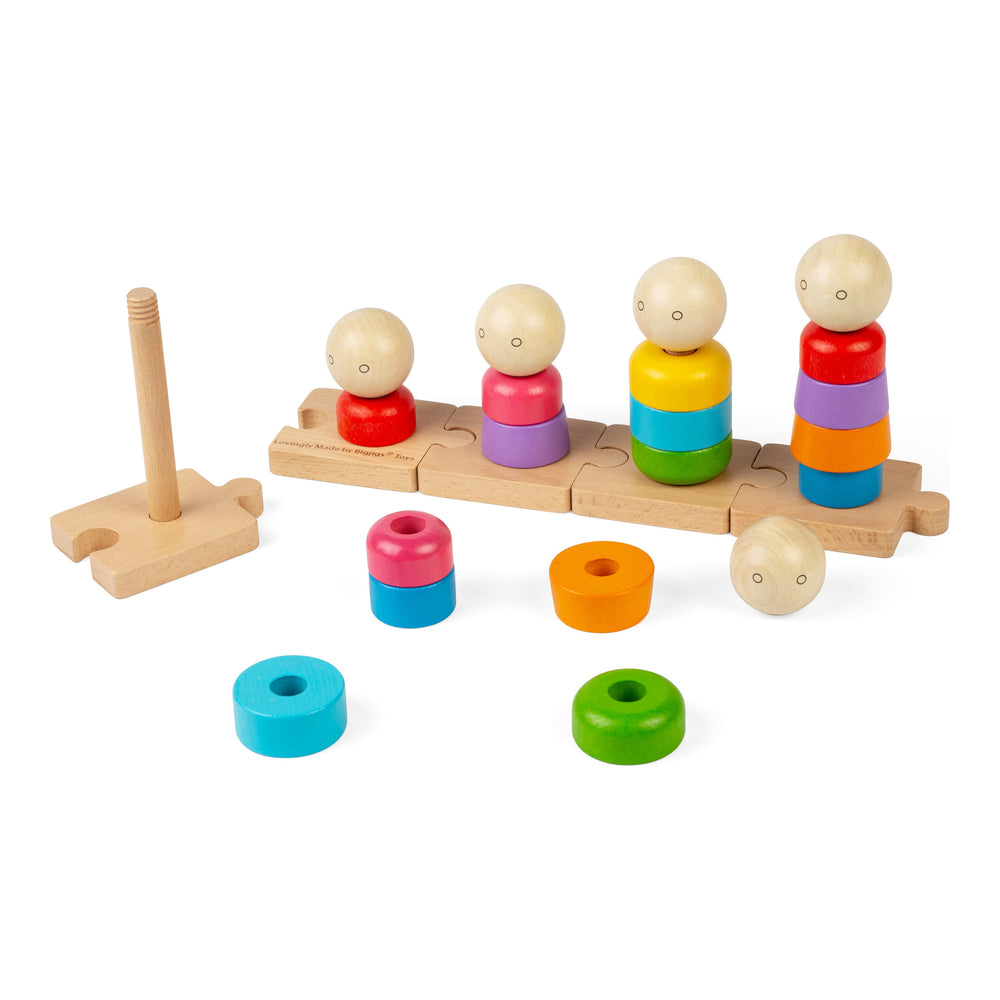
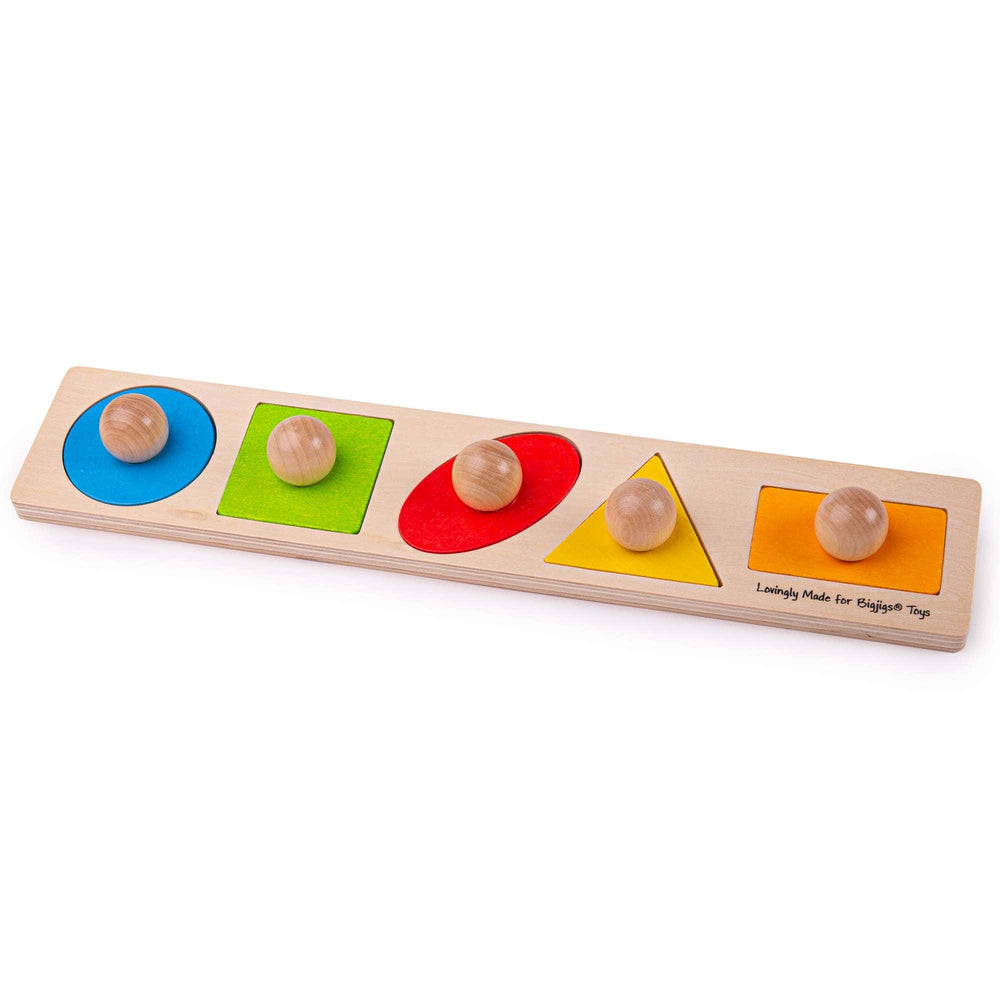
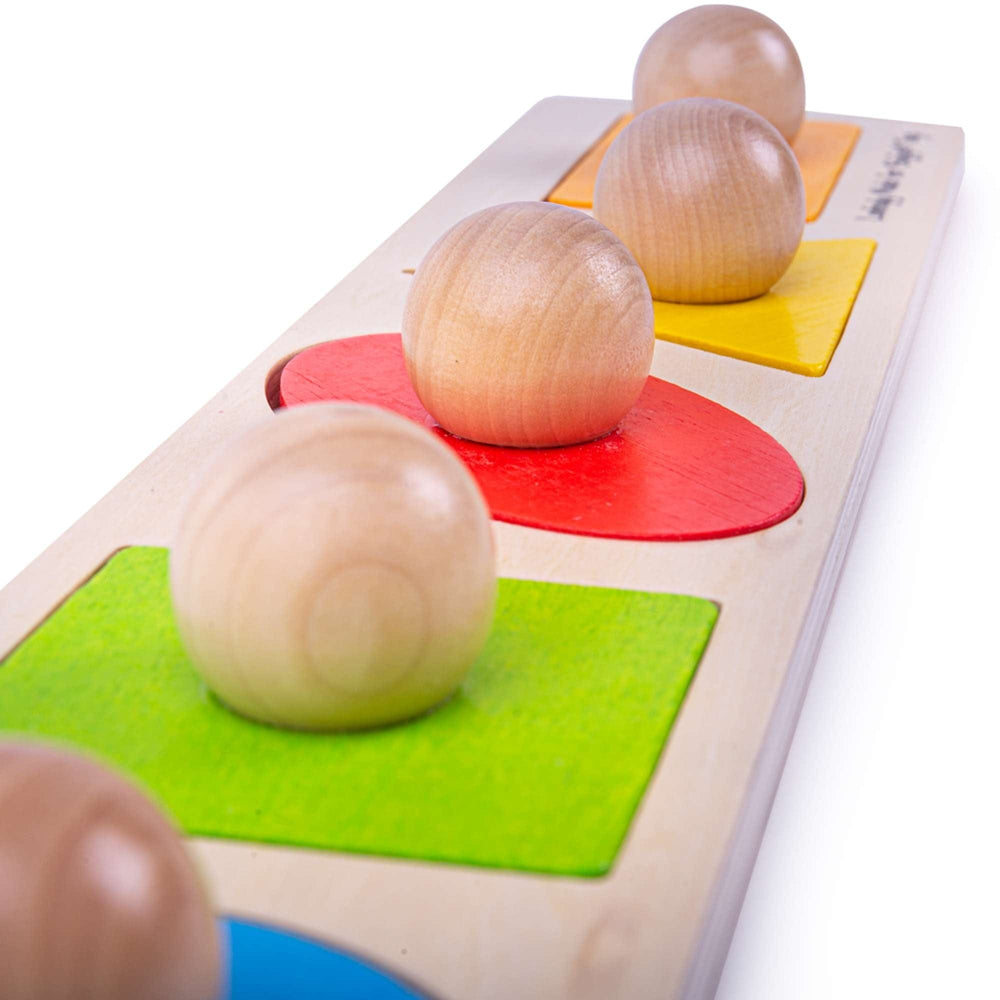
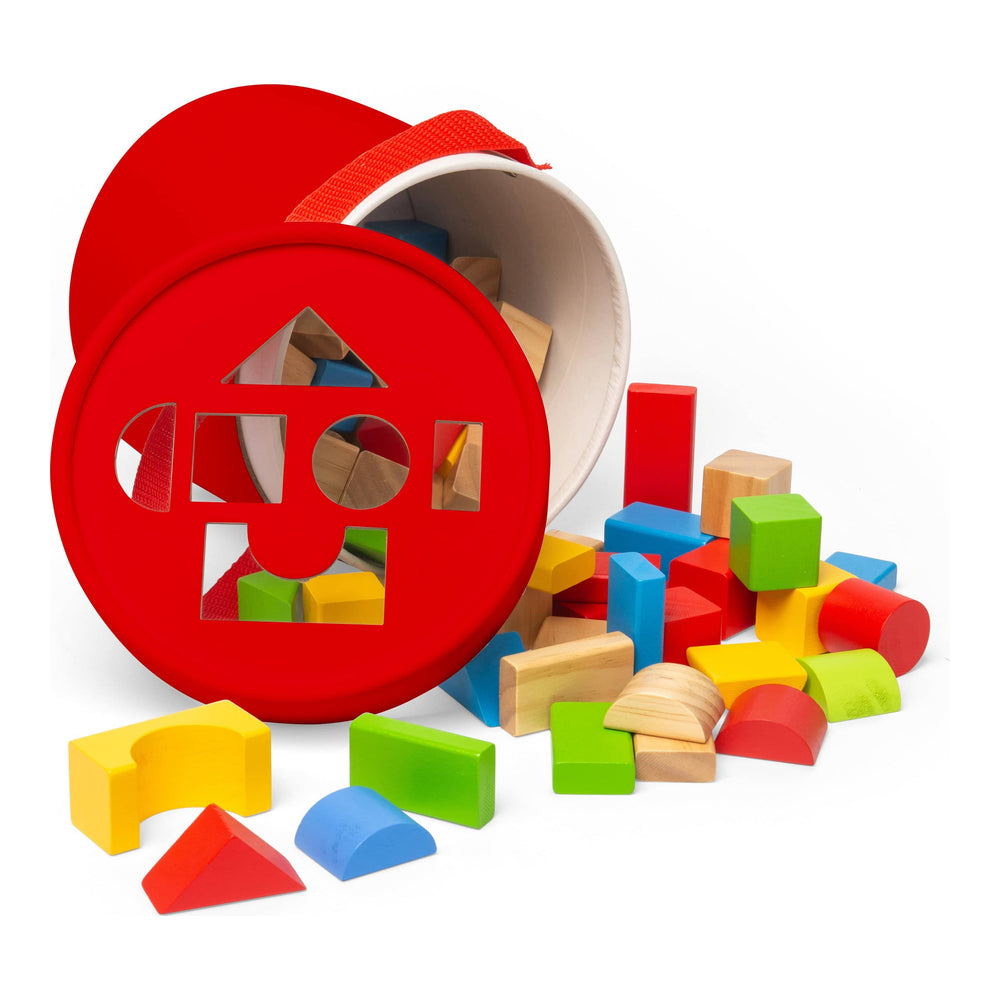
Posting boxes, chunky peg puzzles, simple shape sorters and stackers and push along toys for new walkers.
Montessori toys for 2 year olds
Busy boards with real latches, like the Jungle Busy Board, threading beads, size sorting and matching, plus helping with pouring, sweeping and tidying.
Montessori toys for 3 year olds and up
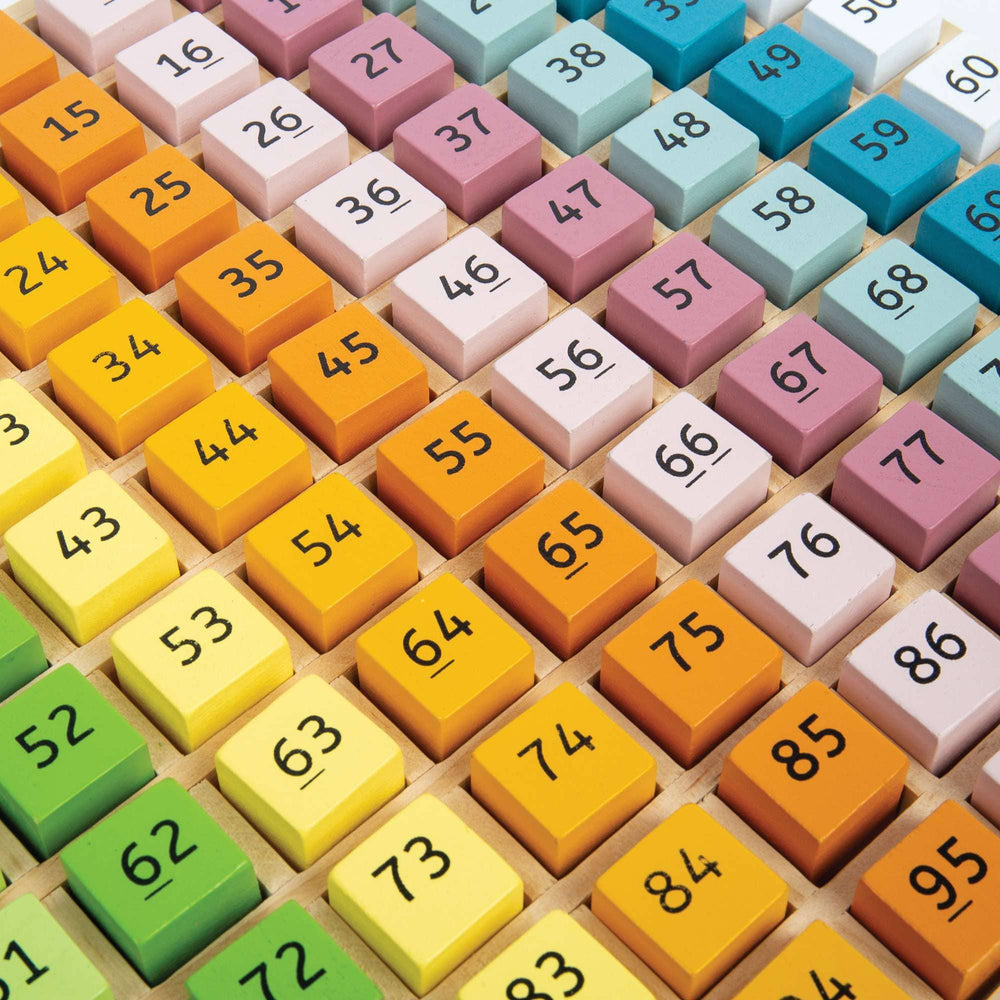
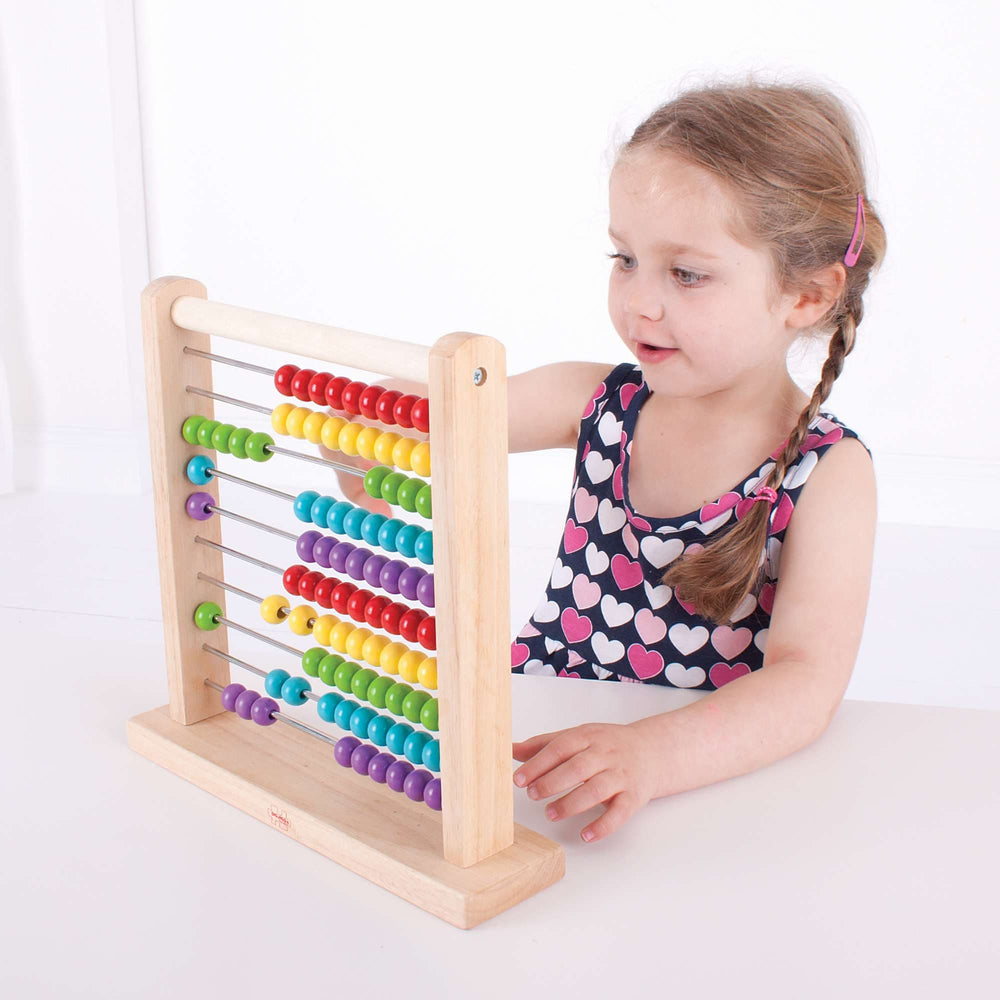
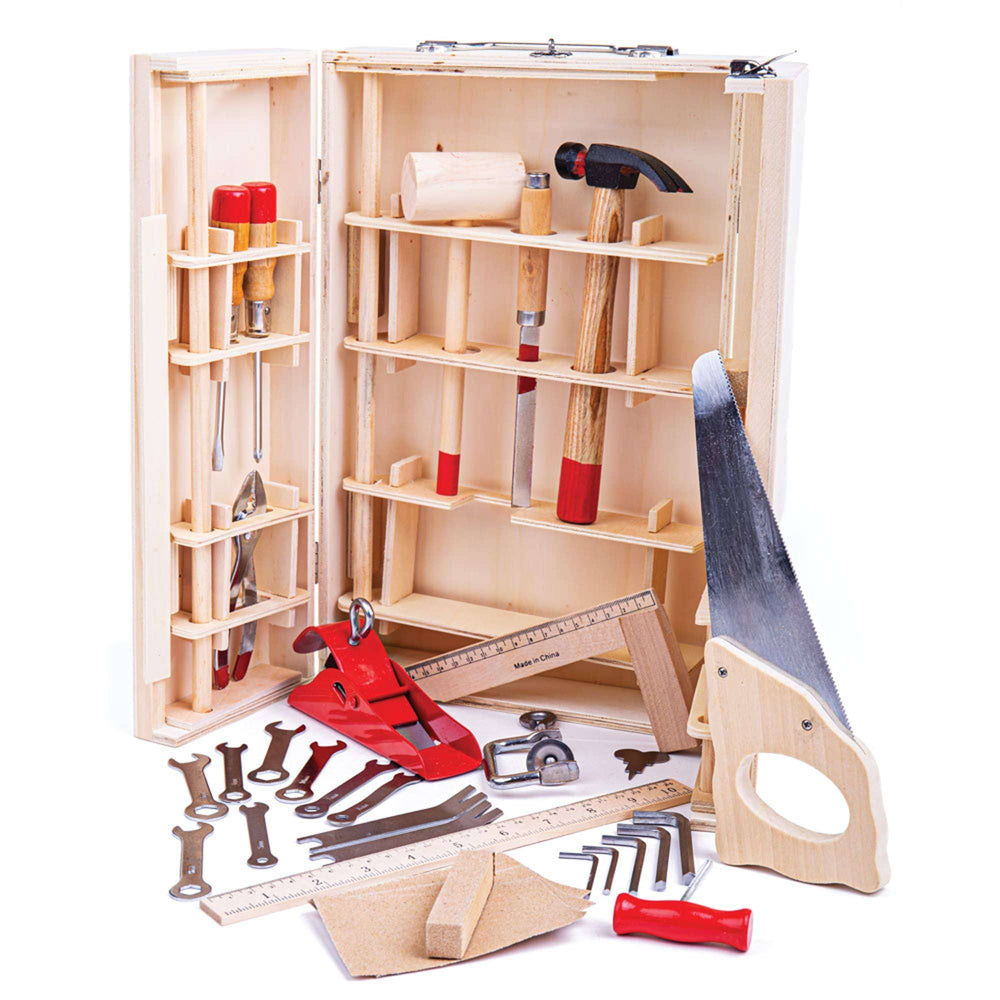
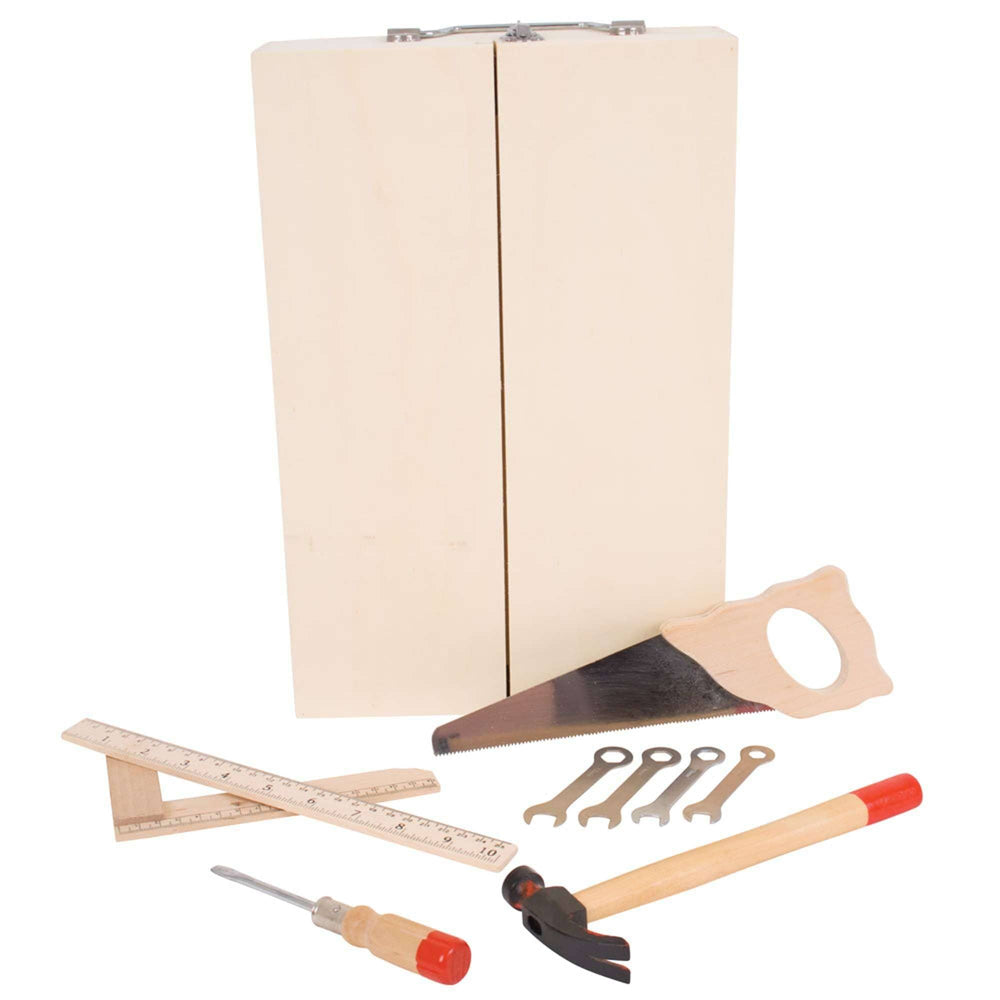
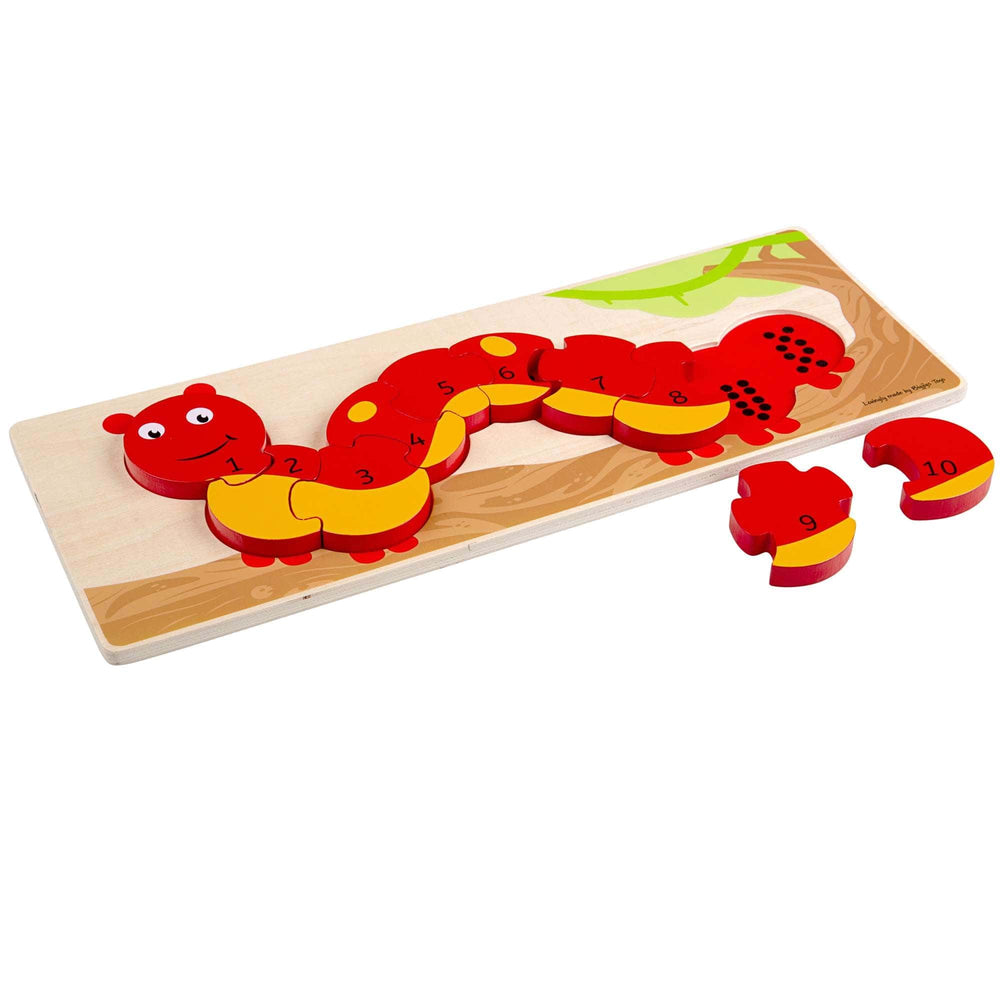
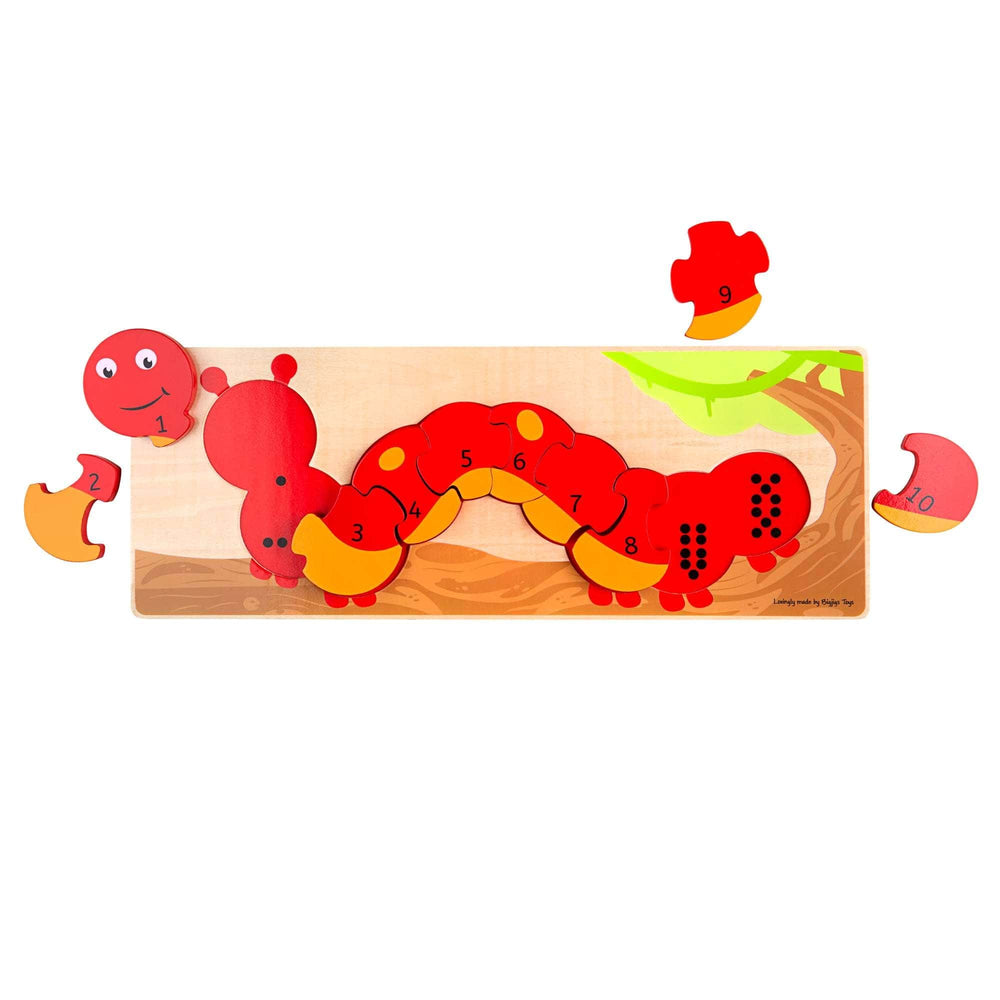
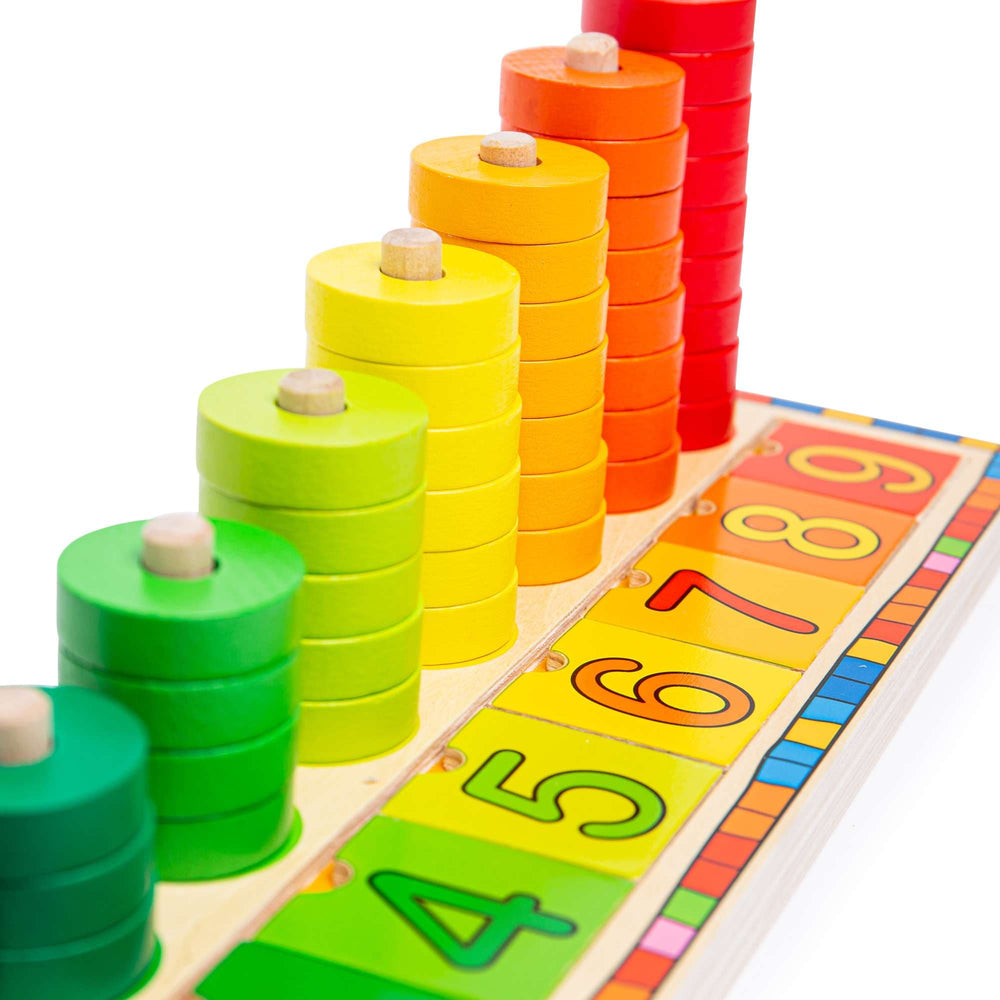
Counting toys, number trays, a teaching clock, balancing scales and real tools such as the kids gardening set.
Offer two or three toys at a time and swap them every week or so. Follow what your child is drawn to, and always check the age guidance on each product, as some pieces are small parts and not for under 3s.
Questions parents ask
What makes a toy Montessori?
There is no official label. We look for natural materials like wood, one clear skill per toy, a built in way to see if it worked (a shape that only fits one hole) and links to real life, such as pouring, latches and tools.
Are Montessori toys worth it?
The research supports the approach more than any one toy. Studies of Montessori classrooms found children did as well or better on several academic and social measures, and a 2018 study found toddlers played longer and in more ways with 4 toys than with 16. Simple toys, offered a few at a time, are the useful part.
What are good Montessori toys for a 1 year old?
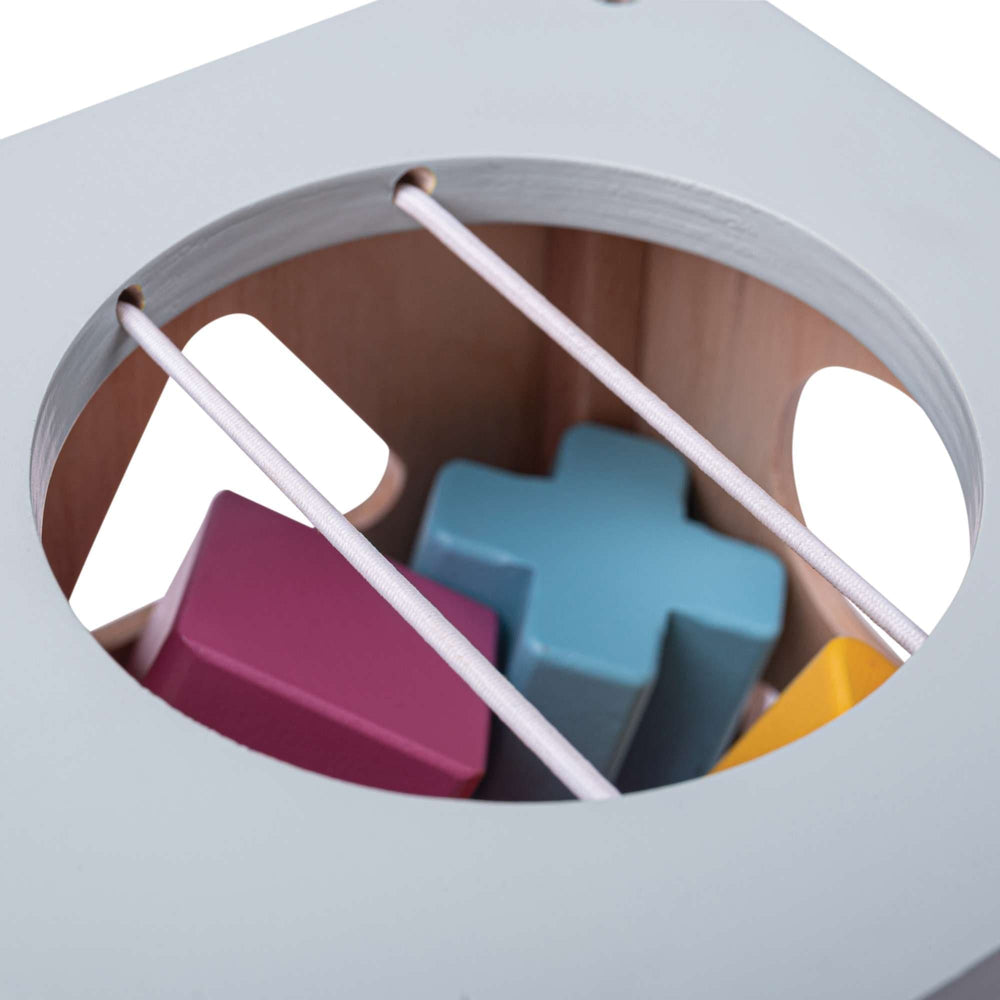
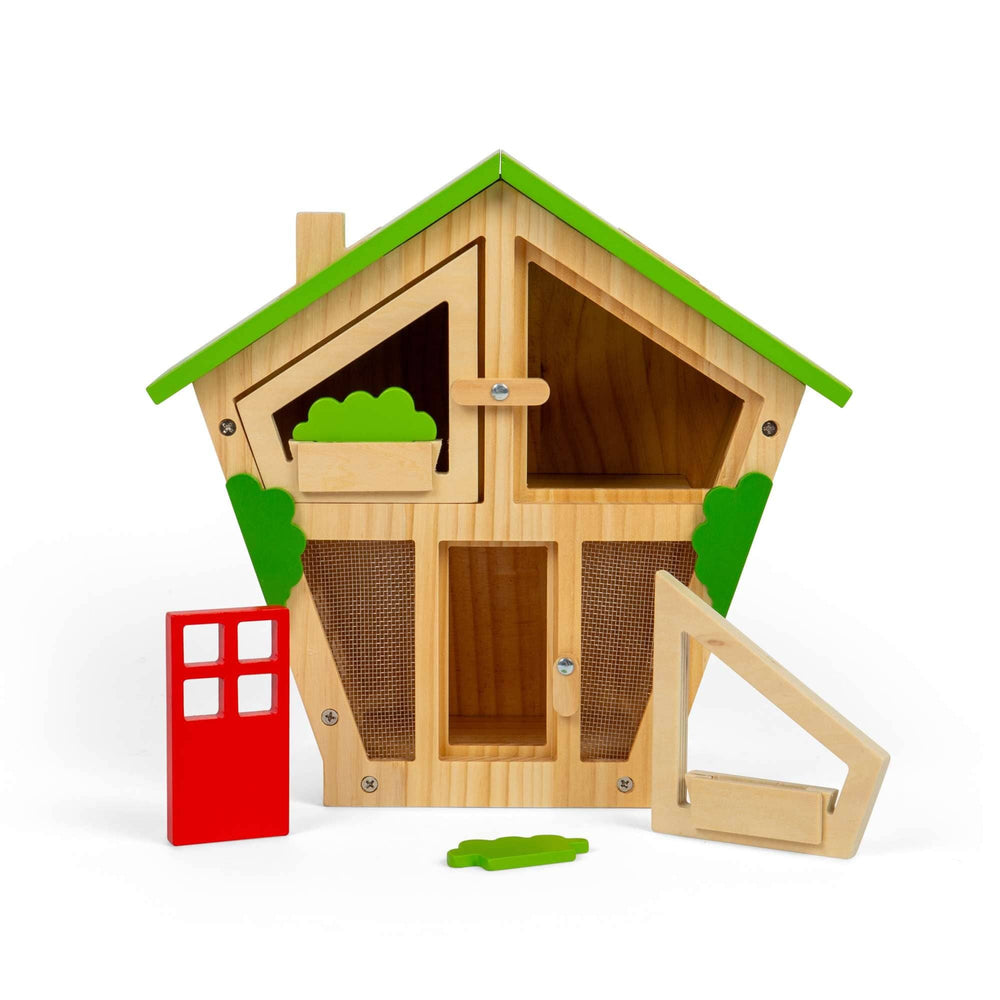
Posting boxes, chunky shape sorters and stackers, such as the Bigjigs Wooden Shape Sorter House (12 months+) or the Wooden Secret Shape Stacker (12 months+).
Do Montessori toys have to be wooden?
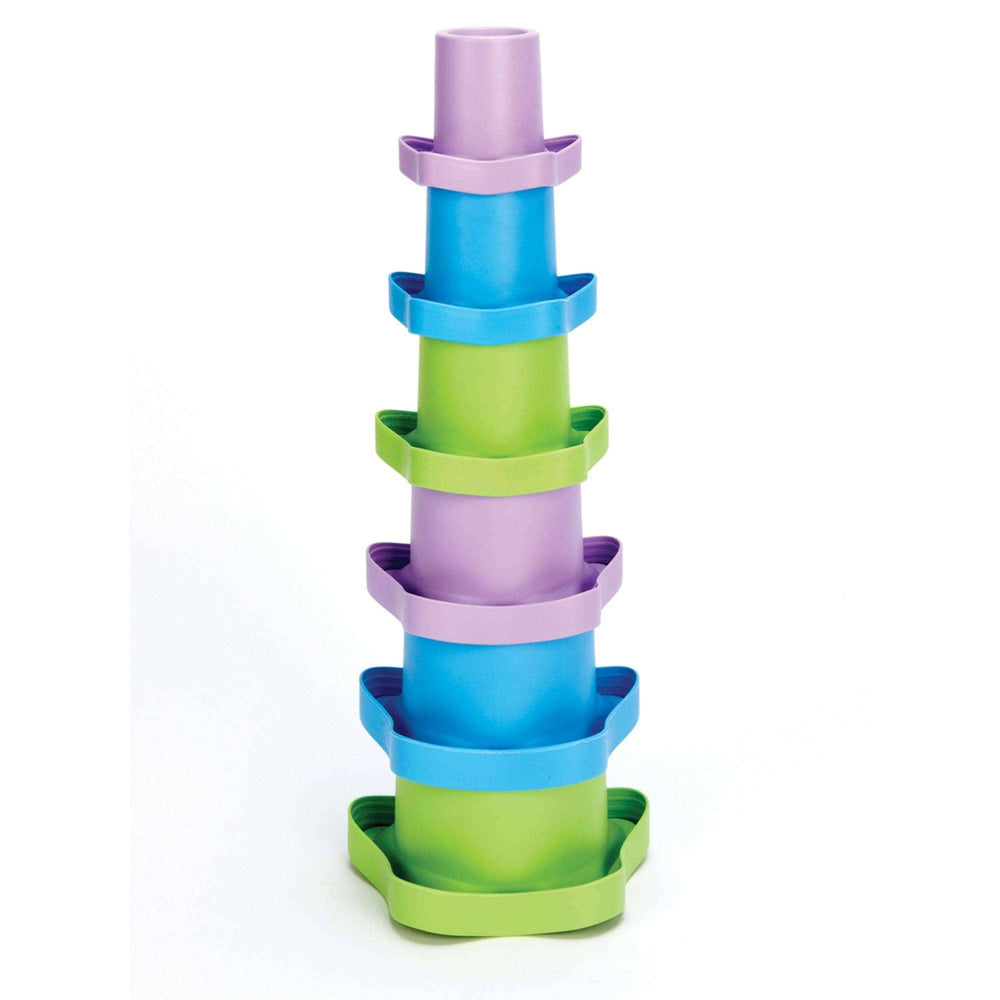
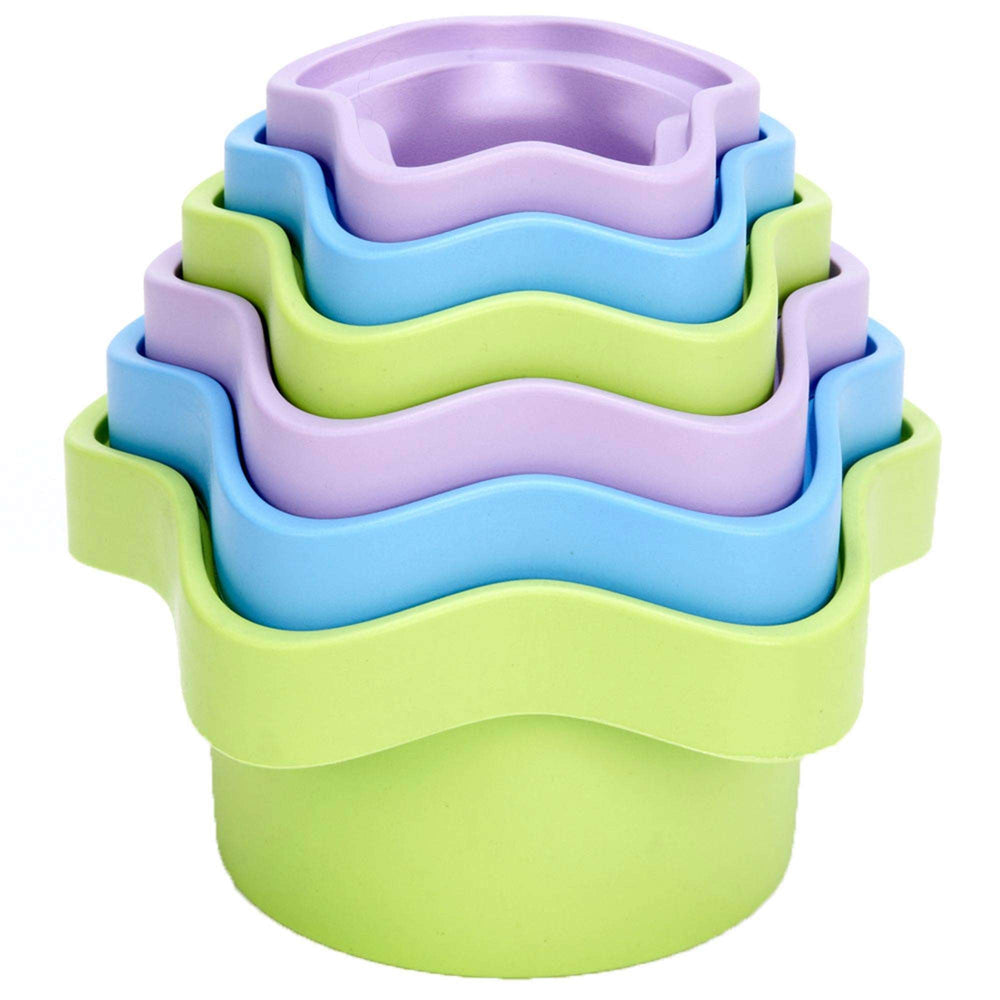
No. Most of ours are wood, but soft stacking cups and silicone pieces fit the same ideas.

Recently viewed
The ones that caught your eye
From our journal
The Parents Place
Gift guides, practical tips and honest advice, parent to parent.
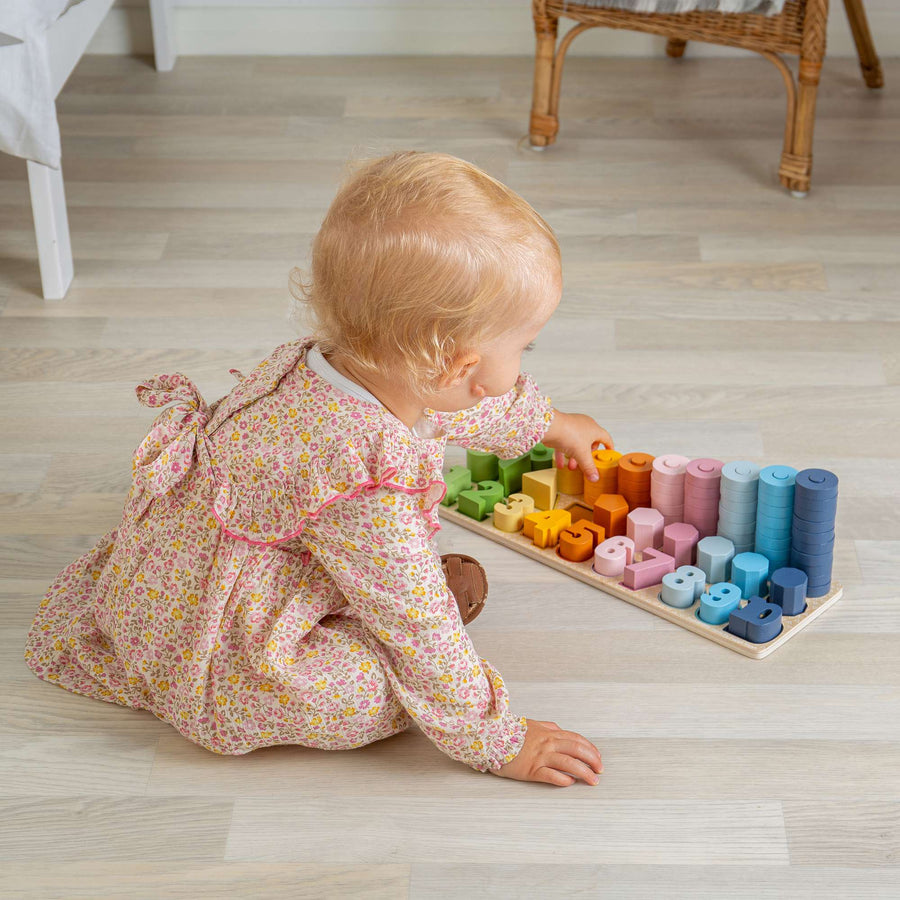 0 to 3 yearsMontessori Toys by Age: What to Choose from Birth to 3Read more
 2 to 8 year oldsScooter Safety for Kids: Helmets, Being Seen and a Parent's ChecklistRead more
 counting toysThe Best Counting Toys for 2, 3 and 4-Year-OldsRead more
 3 year oldsMagnetic Tiles for 3 Year Olds: What to Buy + 10 Easy BuildsRead more

Join the Arlo’s Place family
Sign up for 10% off your first order, plus new arrivals and gift ideas.